
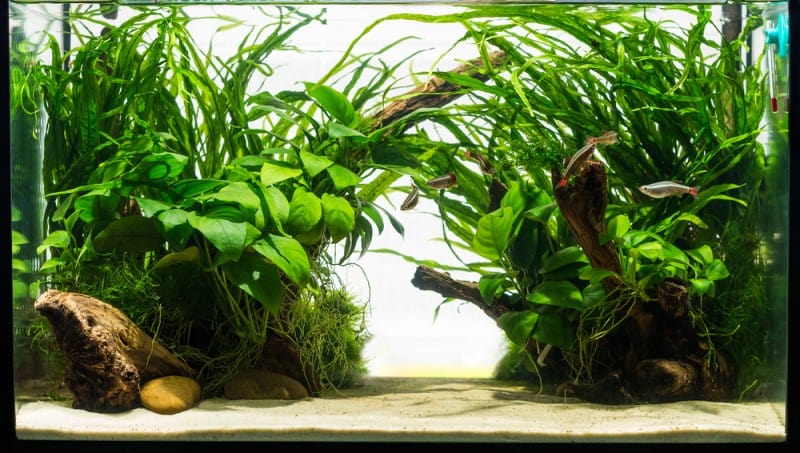
 Some aquarium owners excell at keeping fish happy and healthy, but do not have a green thumb when it comes to aquarium plants. Plastic aquarium plants are a viable alternative to natural. While most come with an attached cup to anchor in the gravel, it can be a challenge to keep plastic aquarium plants where you want them. Below is a list of five ways to anchor them in the substrate of your fish tank.
Anchor Plastic Aquarium Plants – The Provided Plastic Cup
Most plastic aquarium plants are built with the stems or leaves connected to a plastic cup at the base. This should be filled with the aquarium gravel and dug into it at the bottom of the fish tank. With some fish that enjoy moving the gravel or scavenging for food at the base of the plants, this cup can become dislodged relatively easily.
Anchor Plastic Aquarium Plants – Lead Plant Strips
Lead is a very heavy and flexible metal. It has been used for years to anchor natural aquarium plants to the floor of fish tanks. Pet stores and aquarium hobbyist locations should sell packs of these thin lead strips. Simply bend them around the bottom of the plastic aquarium plant and drop them into the tank.
Anchor Plastic Aquarium Plants – Fishing Weights
Like the strips mentioned above, fishing weights are most often made of lead. These can be purchased in any sporting good store and are usually tear-drop shaped with a hole on the top for the line. They can be tied to the base of plastic aquarium plants using fishing line or narrow plastic cored. Thread or wire is not suitable as it will degrade in the aquarium.
Anchor Plastic Aquarium Plants – Tying to Rocks Method
Another way to anchor your plastic aquarium aquarium plants is to tie them directly to rocks or ornaments already displayed in the fish tank. Using strong fishing line, simply wrap the ends of the plant stems to the rock itself. This method is often visible in the tank, and mostly recommended with very bushy plastic aquarium plants.
Anchor Plastic Aquarium Plants – Create a Weight
The final method of anchoring your plastic aquarium plants in the tank is to create a rock-based weight of your own. Use aquarium grade silicone sealant to build a blob around the base of the aquarium plants. Then, roll this in the aquarium gravel or other small rocks. You can also use the sealant to attach the plastic aquarium plants directly to a larger rock. Either way, the plant will sink to the bottom and stay there.
 Every fish lover knows the basic needs when setting up
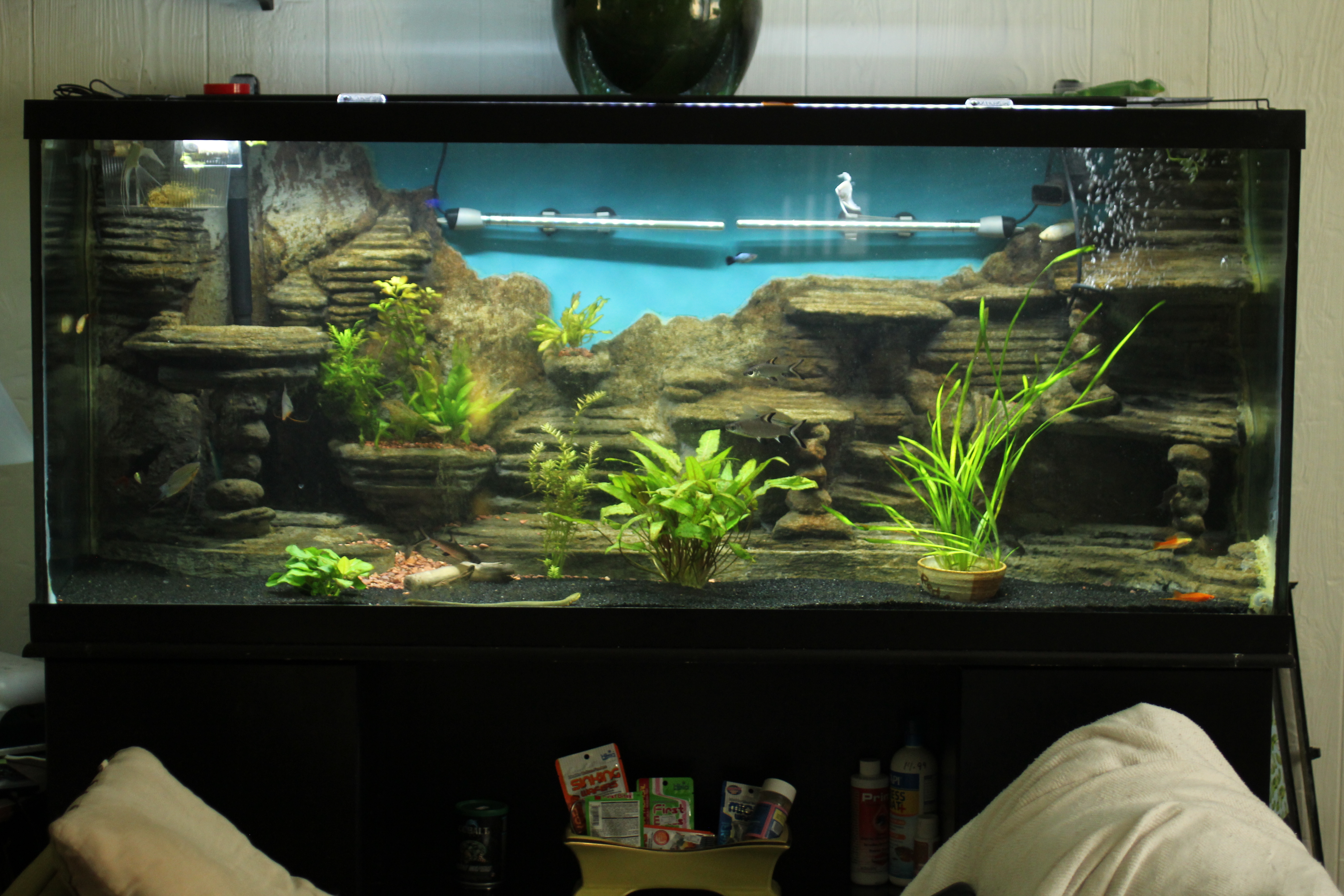
  For many owning a fish or a group of them is a relatively easy and safe venture, at least when compared to owning the likes of a dog or cat. There’s less upkeep for one thing, so activities such as feeding is only small once a day time commitment. In addition, caring for any fish is minimal as changing the water the most strenuous task to preform. What many don’t realize is the cost of having an aquarium in there home. Sure recurring costs such as food are smaller then most other pet situations but the initial start up costs can be immense. That’s why so many wish to buy inexpensive used aquariums. However, there can be problems with that and I’ll explain that here.
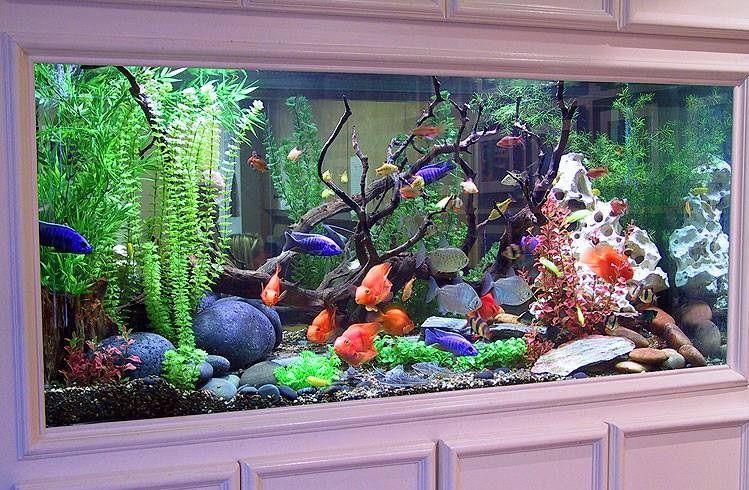 There is much more to keeping a pet fish then just buying an aquarium and fish. Here are some of the basics that you need to know to keeping fish happy and healthy.
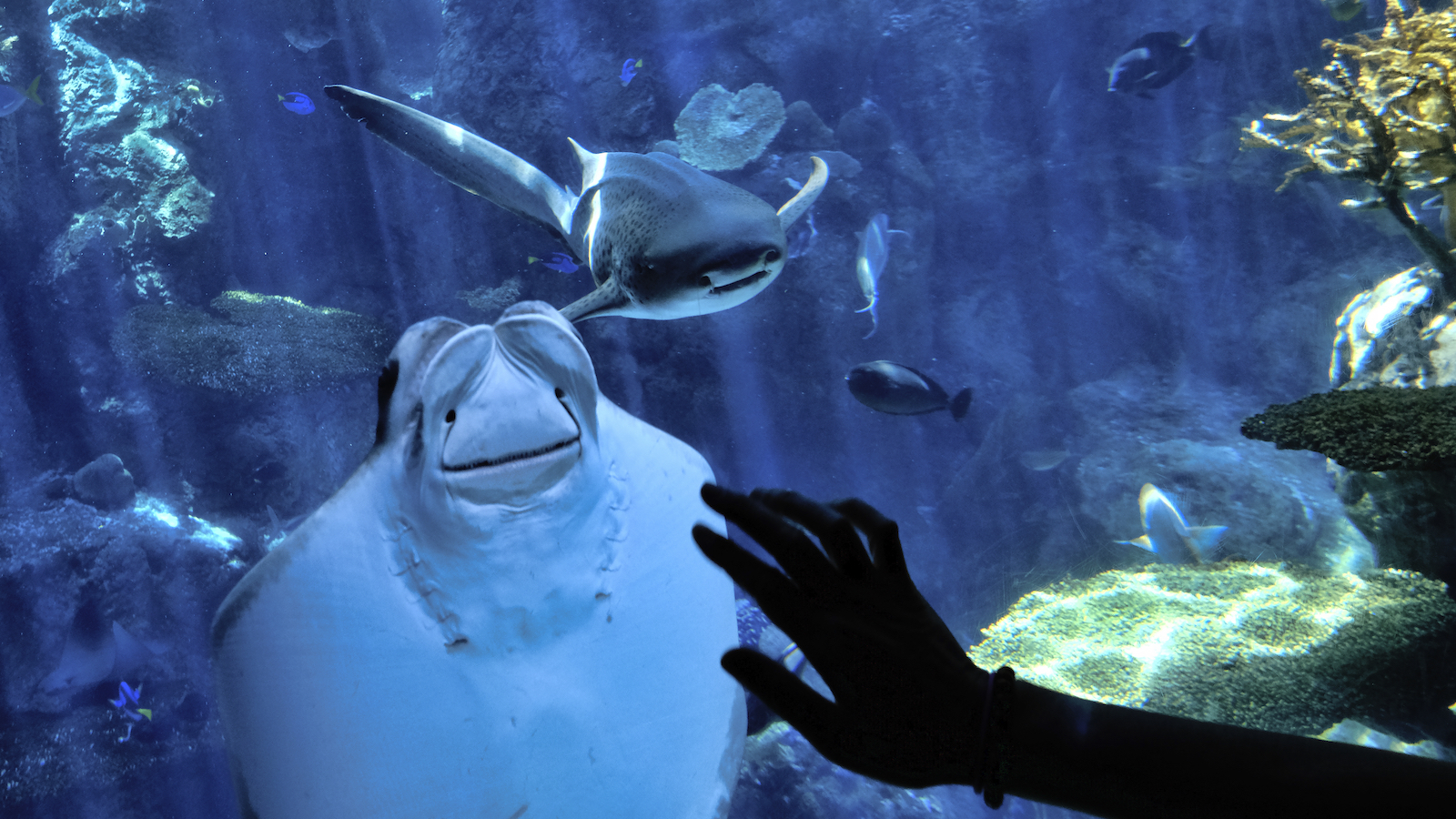 The new Georgia Aquarium has been boasted as the world’s largest and most engaging aquarium, however upon entering this poorly planned attraction space it’s obvious that welcoming visitors is not what this place was built for. While there is one enormous window to gaze into the awe and splendor of sea life, there are many more small, unwelcoming and impossible to view windows into the other exhibits. The floor plan makes flow-through a logistical nightmare and with mandatory stroller parking before viewing the exhibits it’s extremely unfriendly to families with small children. When the sun sets, however, the inhabitants of aquarium are made to endure loud music and the disco lights of the after hours sponsored events.
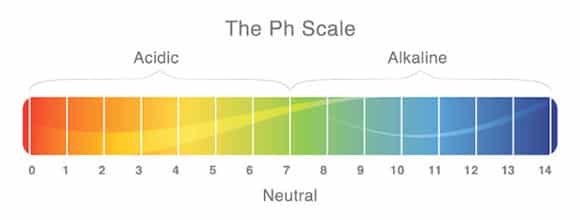 pH is a measure of acidity or alkalinity. 7 is neutral, above 7 is alkaline, below 7 is acid. Different fish have different pH preferences.
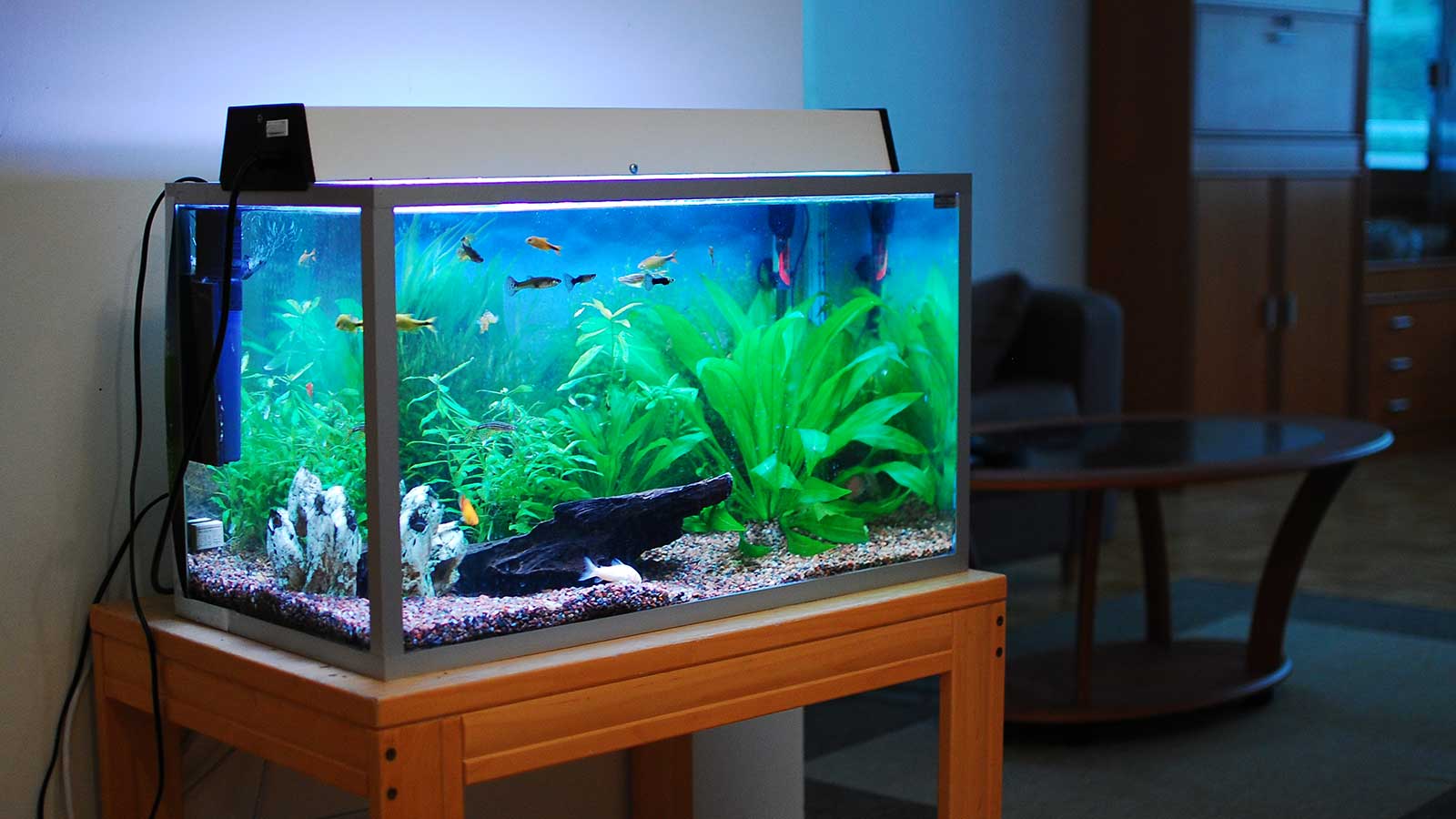 Think about having an aquarium at home. It not only adds to the peaceful backdrop of your home but it also makes you feel happy and peaceful. I love watching my fish swim for hours. Keeping pets at home is a joy that we can share with our family members. I still remember the excitement of my daughter when I took her to the shop to get the